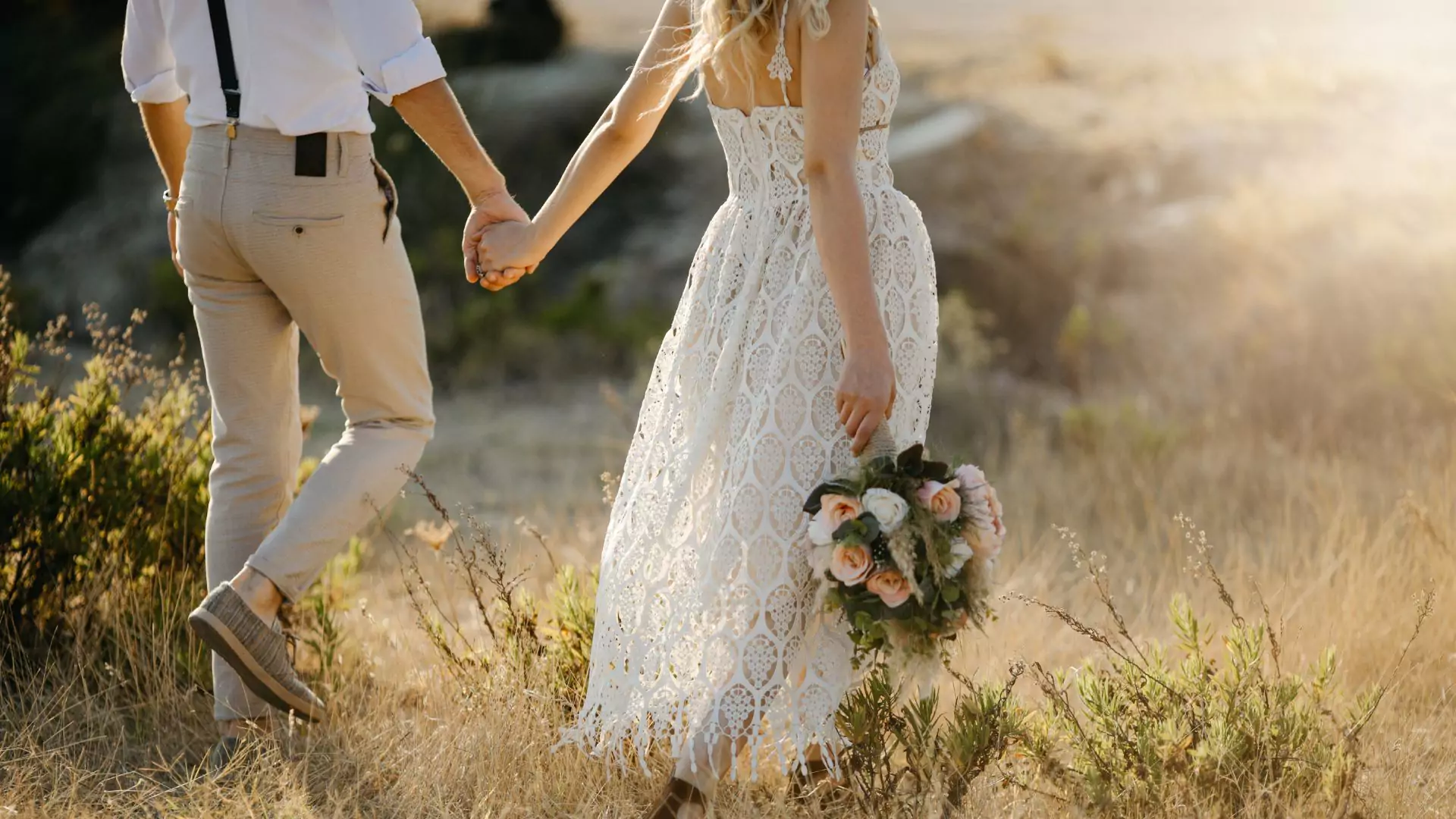
When it comes to the wedding ceremony, many couples treat it as the “prelude” to the reception. However, the ceremony is the heartbeat of the entire day—the literal reason everyone has gathered. Designing this space https://www.ewetde.com/ requires more than just a few chairs and a bouquet; it requires a curated selection of vignettes that guide the eye and the heart.
To create a truly breathtaking ceremony, you must move beyond the basic and lean into the transformative. Below is an exploration of the indispensable, must-have decor elements that elevate a wedding ceremony from a standard ritual to a cinematic event.
1. The Focal Point: An Architectural Altar
The altar (or chuppah, mandap, or ceremonial arch) is the visual anchor of your entire wedding. It is the backdrop for 90% of your ceremony photos and the place where you will exchange the most important words of your life.
The Element: Forget the flimsy, store-bought plastic arches. Seek out architectural integrity. Whether it’s a heavy timber frame for a rustic setting or a sleek, circular “moongate” representing eternal unity, the structure should feel intentional.
The Unique Touch: Incorporate asymmetrical floral installations. Allowing flowers to “crawl” up one side of the structure creates a sense of organic movement that is far more sophisticated than a symmetrical curtain of blooms.
Keywords:Stately, anchor, focal point, geometric.
2. The Atmospheric Glow: Deliberate Lighting
Many ceremonies suffer from “flat” lighting, especially indoors. To create a sense of sanctity, you must manipulate light.
The Element: Layered lighting. This includes a mix of flickering candlelight at the floor level and suspended illumination from above. If your ceremony is outdoors, consider the “Golden Hour” timing, but supplement it with strategically placed lanterns to combat harsh shadows.
The Unique Word: Proper lighting provides a luminous quality to the skin and the surroundings, making the entire space feel like it’s glowing from within.
Pro Tip: Use warm-toned LEDs or real beeswax candles to avoid the “surgical” blue tint of cheap fairy lights.
3. The Sensory Greeting: A “Welcome Nest”
Before guests even see the aisle, they encounter the entrance. This is your chance to set the tone and provide haptic (tactile) comfort.
The Element: A styled welcome station. This isn’t just a sign; it’s a composition. Combine a beautiful “Welcome” mirror or wooden board with a basket of textured programs, a refreshment station with infused water, and perhaps a basket of parasols or pashminas depending on the weather.
Why it Matters: It acts as a threshold. It tells the guests that they have officially left the “outside world” and are now entering your private celebration.
Essential Ceremony Decor Checklist
Element
Purpose
Impact Level
Floral Pillars
Frames the couple without a “roof”
High
Ghost Chairs
Modernizes the space; disappears into the view
Medium
Aisle Runner
Defines the path and protects the dress
High
Reserved Signage
Prevents front-row chaos for VIPs
Functional
Ceiling Draping
Softens industrial or large acoustic spaces
Transformative
4. The Auditory Aesthetic: Musical Staging
We often think of music as something to be heard, but the source of the music is something to be seen.
The Element: A dedicated “Stage” for your musicians. If you have a string quartet or a harpist, don’t tuck them into a dark corner. Treat them as part of the decor.
The Design: Frame your musicians with the same floral language used at the altar. Use vintage rugs or a small riser to give them prominence.
Unique Word Alert: A well-placed musical ensemble adds a rhapsodic energy to the room before the first note is even played.
5. The “Grounding” Detail: Statement Seating
Most couples settle for standard folding chairs, but seating is actually one of the largest visual “blocks” in the room.
The Element: Upgraded seating that complements the architecture. Consider bentwood chairs for a European bistro vibe, cross-back chairs for a vineyard look, or even velvet ottomans for a lounge-style intimate ceremony.
The Detail: If you are sticking with standard chairs, focus on the end-caps. Small bundles of dried herbs or ribbons tied to the aisle-side chairs can turn a boring row into a decorative feature.
6. The Celestial Exit: The “Toss” Station
The ceremony ends with a burst of joy, and the “exit” is a prime decor opportunity.
The Element: An organized, aesthetically pleasing “toss” station. Instead of messy plastic bags, use conical paper holders filled with dried rose petals, olive leaves, or biodegradable confetti.
The Visual: When these are displayed in vintage wooden crates or silver trays, they become a decorative element in their own right.
Unique Word Alert: This facilitates a jubilant finale that looks incredible in motion-blur photography.
The “Editorial” Eye: How to Edit Your Ceremony Decor
When designing your ceremony, it is easy to over-decorate. Remember the Principle of the Silhouette. You want the decor to frame you, not hide you.
Check Your Sightlines: Sit in the back row. Can you see the altar? Is the “welcome sign” blocking the flow of traffic?
Focus on the “Shoulder-Up” View: Most photos of the ceremony are from the waist or shoulders up. Ensure your altar decor has plenty of detail at this height.
The Rule of Contrast: If your venue is dark and moody (like a stone wine cellar), use light, diaphanous fabrics and bright florals. If your venue is a white-walled gallery, use dark greenery and bold metals to provide “pop.”
Final Thoughts: A Sanctuary of Love
The beauty of a wedding ceremony doesn’t come from the price tag of the flowers; it comes from the cohesion of the elements. By focusing on a strong focal point, intentional lighting, and tactile details for your guests, you create a space that feels like a sanctuary.
Your ceremony decor is the visual representation of the promise you are making. Make it as sturdy, as bright, and as beautiful as the marriage you are about to begin.